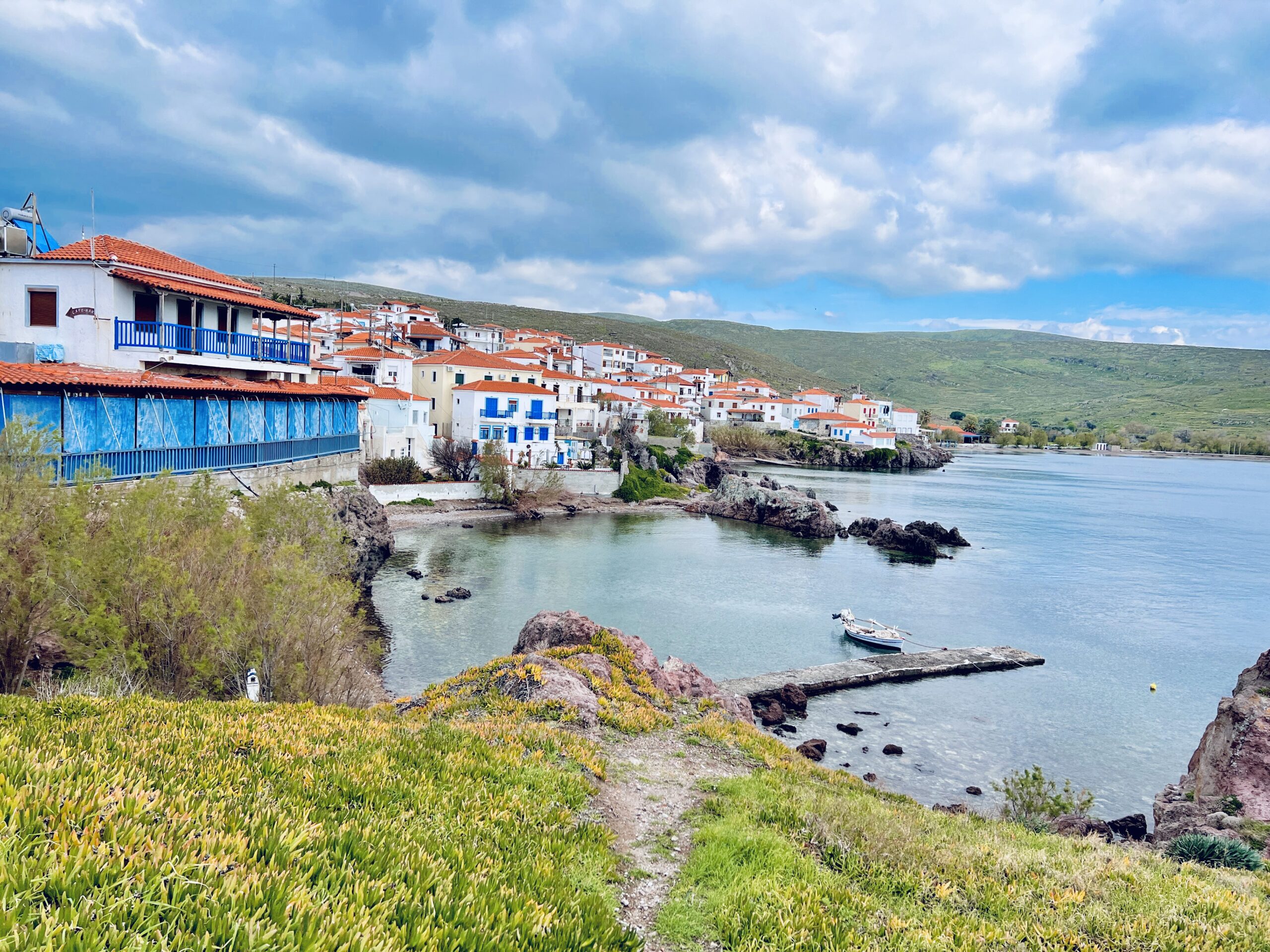
If you search #greekislands on Instagram, you will find more than four million posts with whitewashed houses, turquoise waters, and sunsets that look almost unreal. The beauty of the Greek islands has become a global brand. But behind the images, the islands are standing at a crossroads.
Tourism has brought undeniable benefits. It has created jobs, boosted local incomes, and in some cases helped preserve traditions that might otherwise have disappeared. At the same time, unchecked growth may put pressure on the very things that make these places special. The challenge is how do we track touristification before it is too late.
A tool to see what is usually hidden
Our new research introduces a composite index designed to measure touristification across the Greek islands. By systematically tracking touristification over time, the index enables key role players to identify problems early, compare islands’ trajectories, and make more informed choices about their future. It offers a way to navigate the tension between economic opportunity and social and environmental limits.
This matters because the Greek islands are especially attractive to tourists. Between 2018 and 2021, island regions consistently accounted for more than 60% of all overnight stays in Greece. That level of attraction makes islands particularly vulnerable to tourism’s downsides, including rising housing costs, environmental degradation, pressure on infrastructure, loss of cultural identity, and the displacement of local residents.
Small islands, big impacts
One of the strengths of our study is that it looks beyond regional averages and focuses on individual islands in the South and North Aegean regions. This reveals patterns that are often hidden. For instance, Thirasia, a small island adjacent to Santorini, and Megisti (Kastellorizo) both experienced dramatic increases in tourist arrivals during the study period.
In absolute numbers, they still receive far fewer visitors than major destinations. But for small communities with relatively limited infrastructure, even modest increases can be very disruptive. This is exactly the kind of situation where early warning matters. By the time problems are obvious to everyone, it is often already too late.
Touristification is not inevitable
Not all the news is bad. Some islands showed declining levels of touristification over time. This suggests that touristification is not a one-way street. Choices matter. Islands that pursue alternative, sustainable development paths, may offer lessons for others. These experiences deserve closer attention, not as exceptions, but as possible models.
An early warning system
The composite index we propose is not about ranking islands or naming winners and losers. Its real value lies in acting as an early warning system. It helps track touristification before destinations reach a tipping point where social and environmental damage becomes difficult, or impossible, to reverse.
Greek islands have long inspired the world. With better tools, better data, and more thoughtful policies, they can also inspire a more balanced approach to tourism: one that protects communities, respects limits, and ensures that beauty is not exploited to the point of destruction.
About the research
Title: Touristification Dynamics in Greek Islands: A Composite Index Approach
Authors: Kolade Victor Otokiti, Kostas Gourzis, and Thanasis Kizos
Published in: Journal of Hospitality and Tourism Horizons
Key contribution: Disaggregated island-level analysis revealing patterns obscured by regional aggregation, plus temporal analysis showing how different tourism pressure dimensions gain explanatory power as destinations mature.
Further reading: https://doi.org/10.1108/JHTH-08-2025-0114
Do you have questions about measuring touristification in your destination? Are you interested in applying this methodology elsewhere or exploring opportunities for collaboration? Feel free to get in touch by email: kolade@koladevotokiti.com

Touristification is a reality. There is no way around this. But, we are the tourists and we are the people that benefit from tourism, I mean people like us that live there or seek to travel there. In my mind this is a question of what are your policy options when the scale becomes obviously higher than what is considered as “viable”. The paper provides the tools and the concepts. Policy has to use these.